The Pharaoh Hound
The origin of the Pharaoh hound is somewhat in question. Most people believe that the breed originated in Egypt, and some believe that the Egyptian god, Anubis, was modeled after the Pharaoh hound, and not the jackal. Thaks to Mary Lynn mlvs.netThe people of Malta claim the dog, and it is in fact the national dog of Malta, where it is known as the Kelb Tal-Fenek. The American Kennel Club site states the following:
“The Pharaoh Hound originated in ancient Egypt. It is thought to have been brought from Egypt by the Phoenicians when they settled on the Mediterranean islands of Malta and Gozo. The Pharaoh Hounds have existed there for over 2,000 years. In Malta they are bred for rabbit hunting and are the national dog of Malta.
Pharaoh Hound
Hound Group
Breed Standard
General Appearance
General Appearance is one of grace, power and speed. The Pharaoh Hound is medium sized, of noble bearing with hard clean-cut lines-graceful, well balanced, very fast with free easy movement and alert expression.
The following description is that of the ideal Pharaoh Hound. Any deviation from the below described dog must be penalized to the extent of the deviation.
Size, Proportion, Substance
Height–Dogs 23 inches–25 inches. Bitches 21 inches–24 inches. Allover balance must be maintained. Length of body from breast to haunch bone slightly longer than height of withers to ground. Lithe.
Head
Alert expression. Eyes amber colored, blending with coat; oval, moderately deep set with keen intelligent expression. Ears medium high set, carried erect when alert, but very mobile, broad at the base, fine and large. Skull long, lean and chiseled. Only slight stop. Foreface slightly longer than the skull. Top of the skull parallel with the foreface representing a blunt wedge. Nose flesh colored, blending with the coat. No other color. Powerful jaws with strong teeth. Scissors bite.
Neck, Topline, Body
Neck long, lean and muscular with a slight arch to carry the head on high. Clean throat line. Almost straight topline. Slight slope from croup to root of tail. Body lithe. Deep brisket almost down to point of elbow. Ribs well sprung. Moderate tuck-up. Tail medium set — fairly thick at the base and tapering whip-like, reaching below the point of hock in repose. Well carried and curved when in action. The tail should not be tucked between the legs. A screw tail is a fault.
Forequarters
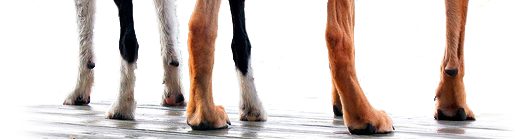
Shoulders long and sloping and well laid back. Strong without being loaded. Elbows well tucked in. Forelegs straight and parallel. Pasterns strong. Dewclaws may be removed. Feet neither cat nor hare but strong, well knuckled and firm, turning neither in nor out. Paws well padded.
Hindquarters
Strong and muscular. Limbs parallel. Moderate sweep of stifle. Well developed second thigh. Dewclaws may be removed. Feet as in front.
Coat
Short and glossy, ranging from fine and close to slightly harsh with no feathering. Accident blemishes should not be considered as faults.
Color
Ranging from tan/rich, tan/chestnut with white markings allowed as follows: White tip on tail strongly desired. White on chest (called “the Star”). White on toes and slim white snip on center line of face permissible. Flecking or other white undesirable, except for any solid white spot on the back of neck, shoulder, or any part of the back or sides of the dog, which is a disqualification.
Gait
Free and flowing; the head should be held fairly high and the dog should cover the ground well without any apparent effort. The legs and feet should move in line with the body; any tendency to throw the feet sideways, or a high stepping “hackney” action is a definite fault.
Temperament
Intelligent, friendly, affectionate and playful. Alert and active. Very fast with a marked keenness for hunting, both by sight and scent.
DISQUALIFICATION
Any solid white spot on the back of neck, shoulder, or any part of the back or sides of the dog.